Full fishing from a beach headland guide
The original fishing notes continue below, kept for readers who want the deeper detail after the quick confidence guide.
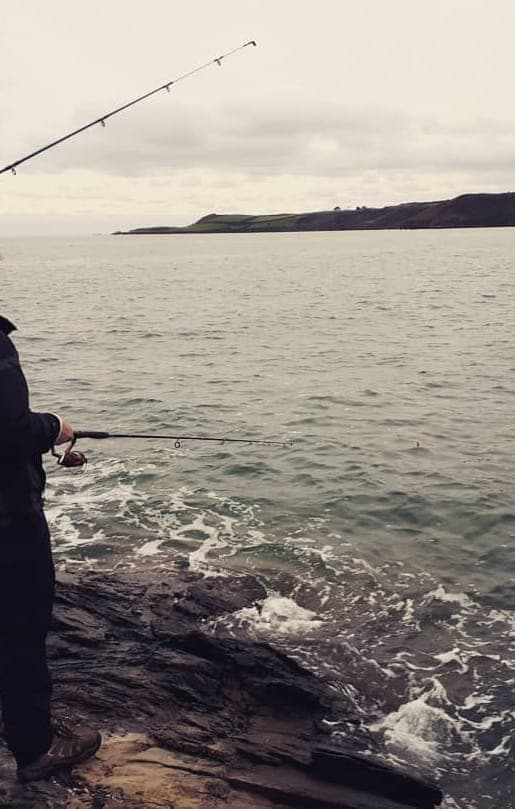
Our Beginners Guide to Buying Fishing Gear.... FISHING FROM A BEACH HEADLAND As with fishing from harbour walls , it is beneficial to know what the bottom is in your chosen fish...

Rock mark guide
A practical starting point for reading the mark: where to stand, what to try first, and how to keep the session respectful, safe and enjoyable.
The original fishing notes continue below, kept for readers who want the deeper detail after the quick confidence guide.
Local mark note
Rough-ground fishing can be rewarding, but the coast sets the rules. A good session starts with knowing when not to fish.
Rock and cliff fishing is about reading structure, depth and swell while keeping safety ahead of the catch.
Use tackle suited to rough ground: stronger line, suitable weights, simple rigs and footwear that gives secure footing.
Ragworm, lugworm, mackerel, squid, crab and lures can all suit rougher ground depending on species and tide.
Avoid slippery edges, big swell and cut-off routes. Fish with someone, tell people where you are going and keep back from cliff edges.
As with fishing fromharbour walls, it is beneficial to know what the bottom is in your chosen fishing area so that you can choose the bestfishing methodand subsequently the best fishing gear.
If you are not sure, our recommended fishing methods for beginners fishing from a beach headland arespinningorfloat fishing, both of these can be enjoyed using aspinning rodand the risk of losing fishing gear is then kept to a minimum.
If you would like to target mackerel or bass please see our specific guides for these species...
If the bottom is sandy or fairly rock free then you will have the option to try all fishing methods. You can enjoyspinningorfloat fishingand also, in view of the ground, you will also be able tobottom fishto target the species who are found on the bottom such as all the flatfish species.
When fishing over rocks and weeds you are more likely to catch, for example... wrasse, pollock, bream or conger eel.
The disadvantages of fishing on rough ground is that there is a greater risk of losing your gear such as lures, hooks, weights etc as they get snagged and caught up on the bottom.
Therefore for beginners, bottom fishing is probably only recommended if the ground is sandy.
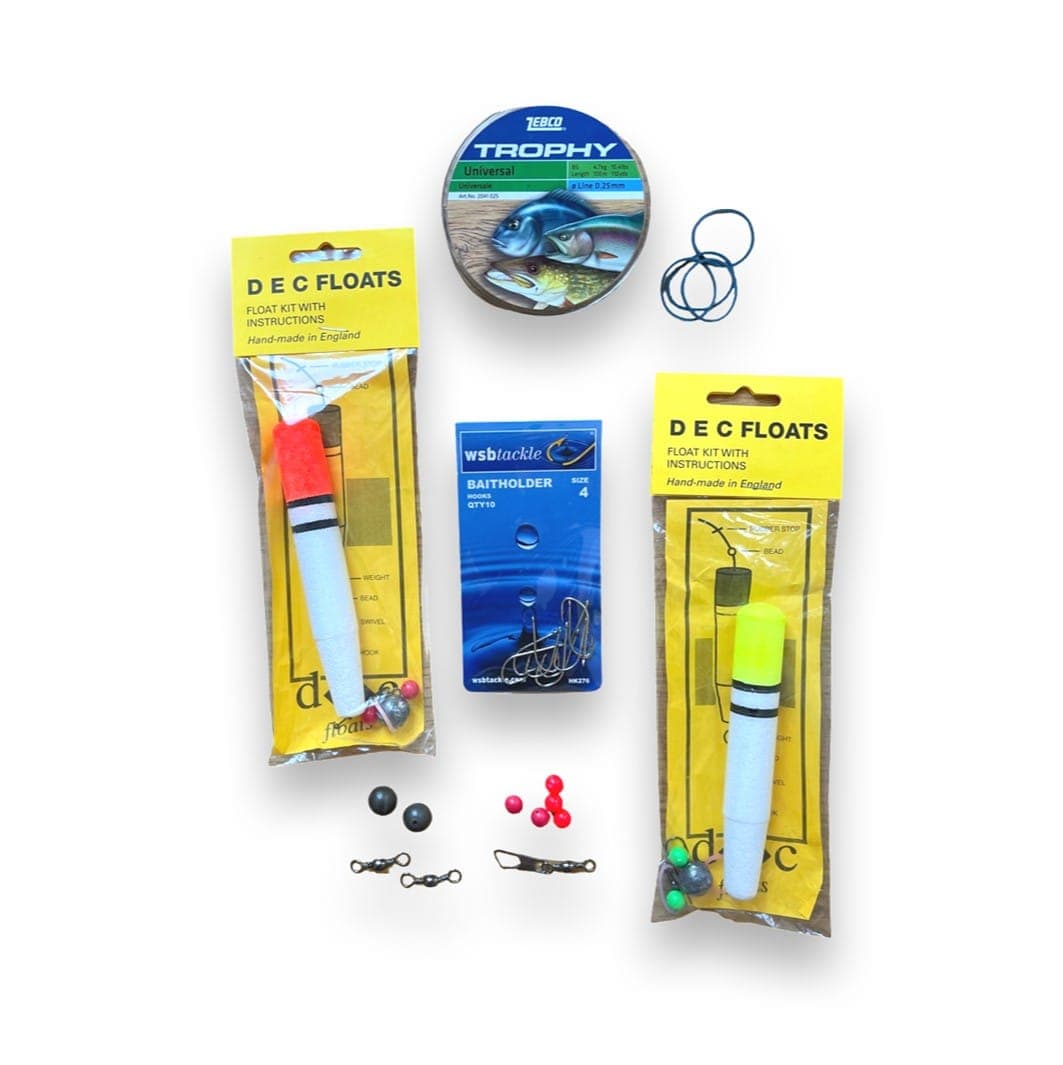
Our recommendedfishing methodsfor beginners fishing from beach headlands arespinningandfloat fishing. More information can be found on both of these methods by following the links to our guides.
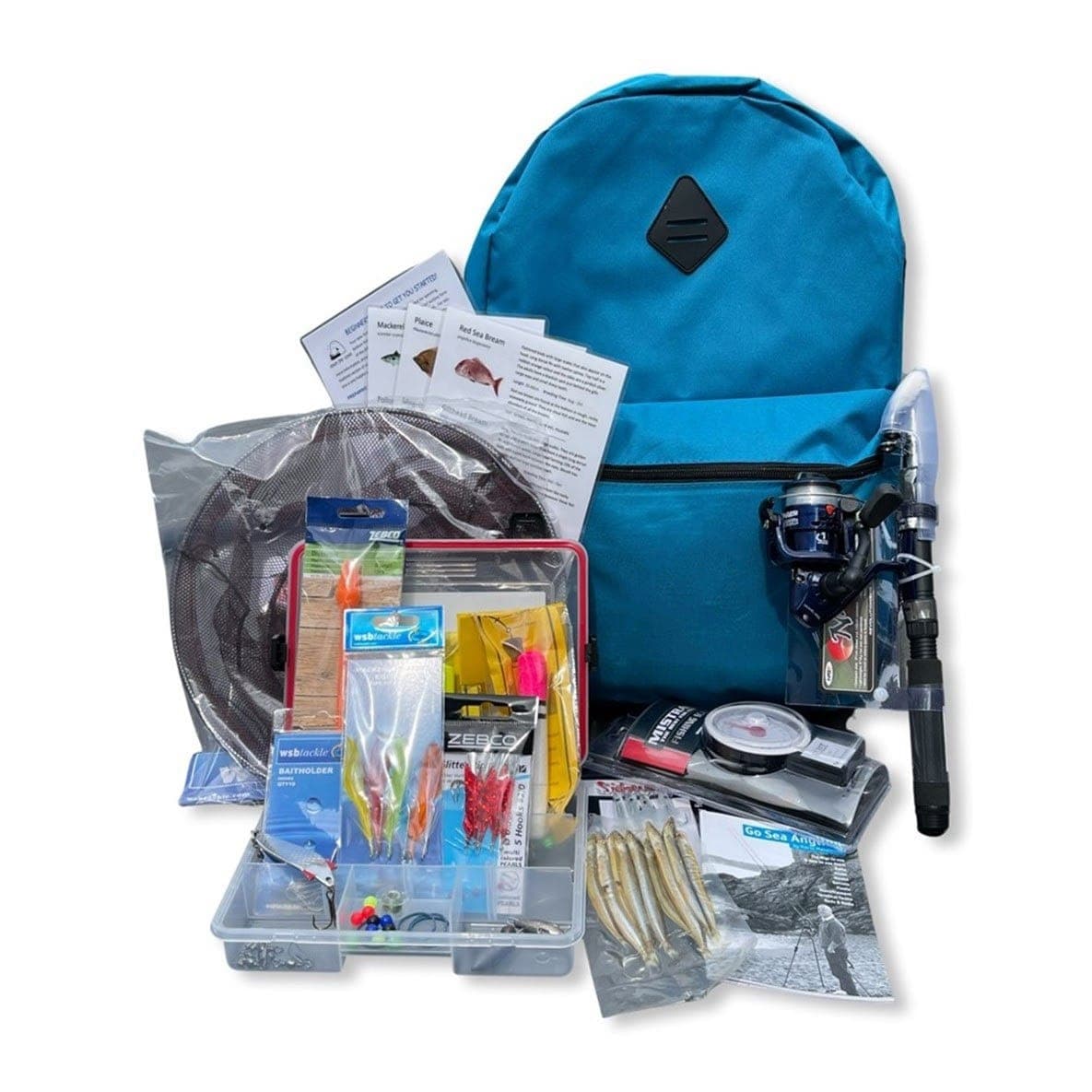
Both spinning and float fishing can be enjoyed using the same fishing rod and reel so please follow our links to browse the options available.
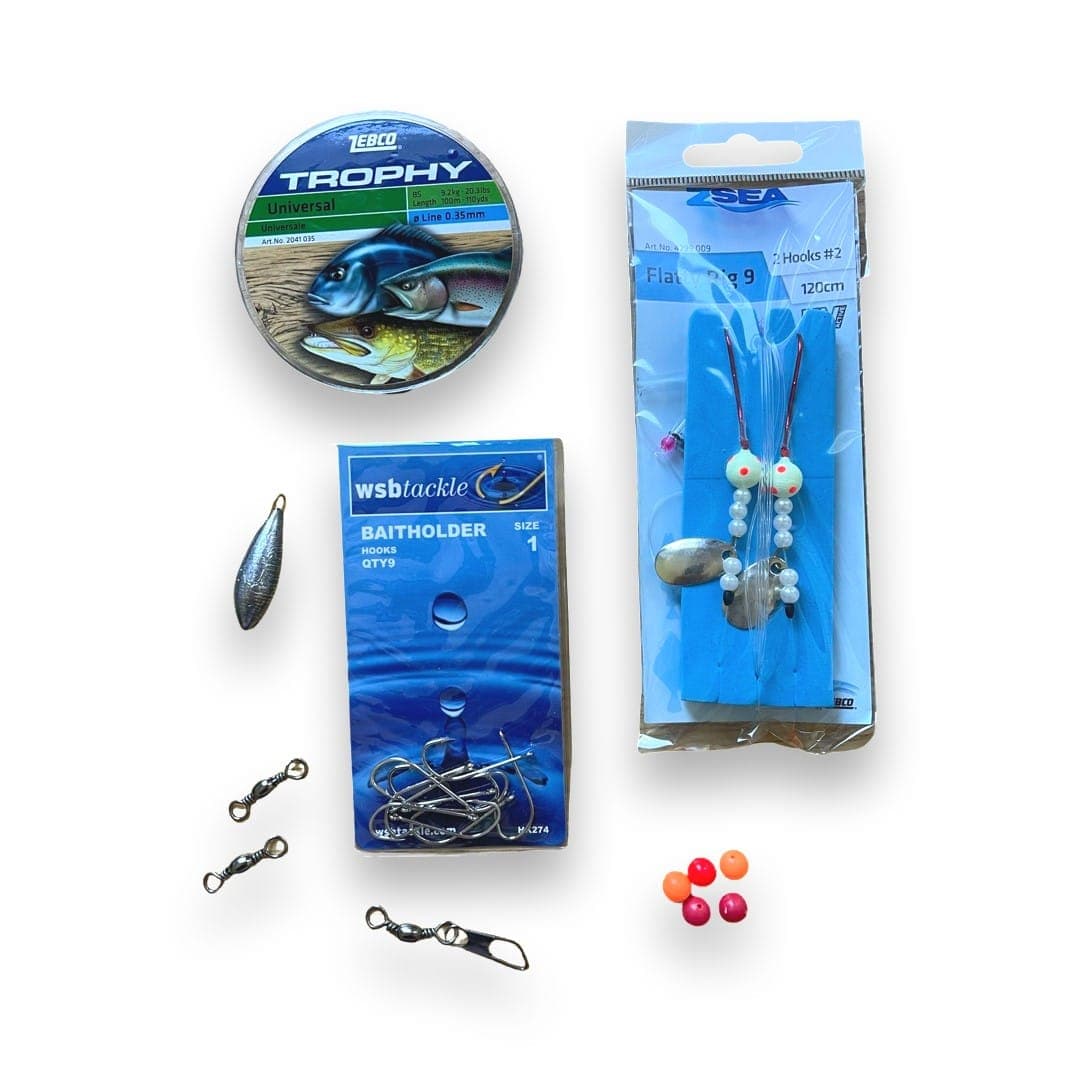
Friendly tackle picks chosen to make the guide easier to put into practice.