Full bottom fishing guide
The original fishing notes continue below, kept for readers who want the deeper detail after the quick confidence guide.
Beginners Guide to Sea Fishing Gear... BOTTOM FISHING Fishing using weights, hooks and bait, mainly from beaches Sample Species to target using Bottom Fishing BASS COD CONGER EE...

Fishing method
A calm, plain-English starting point before the deeper guide: what the method is good for, what to use, and how to keep the session safe and enjoyable.
The original fishing notes continue below, kept for readers who want the deeper detail after the quick confidence guide.
From our tackle box
Bottom fishing rewards patience. It is less about forcing a cast as far as possible and more about choosing ground, tide and bait with care.
Bottom fishing uses weight to hold bait near the seabed, where many fish naturally feed. It is one of the core methods for UK sea fishing.
Beachcaster or suitable multi-purpose rod, reel, weights, hooks, swivels and simple ledger or running rigs.
Use bait that suits the ground and target species: worm, squid, mackerel, crab or mixed baits are common starting points.
Check tide times carefully on beaches and estuaries, keep away from cut-off points, and use weight sizes you can cast safely.
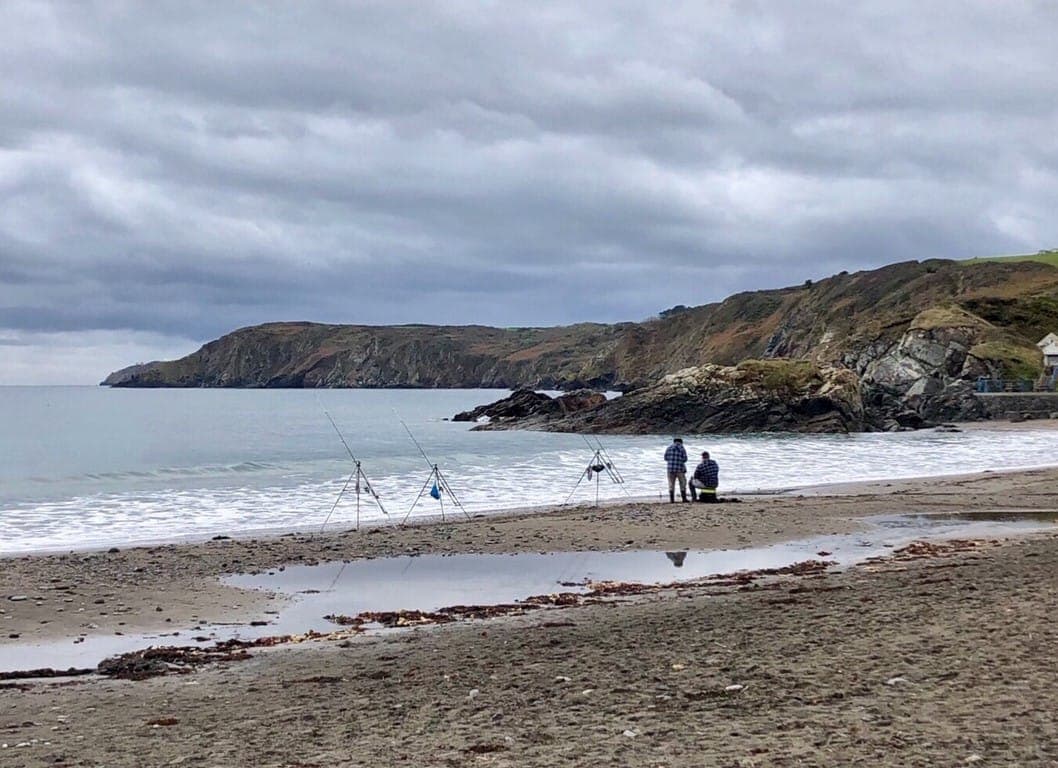
Fishing using weights, hooks and bait, mainly from beaches
Click on each species for lots more information
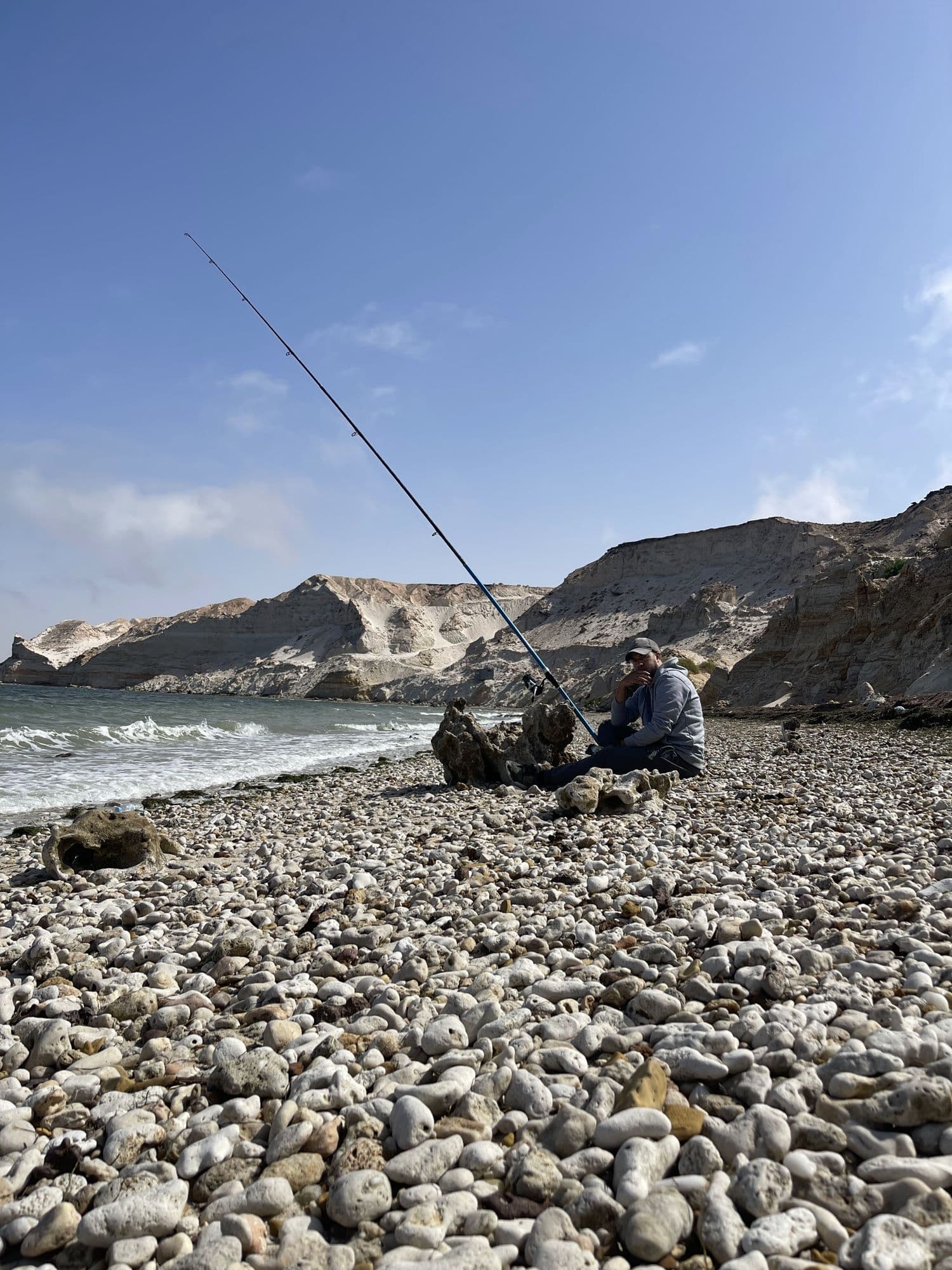
Bottom fishing is a relaxing fishing method where a weight is attached to the line and then bait is put on to the hook. The line is cast out and the hook drops to the bottom where you will catch species such as flatfish. Once you have cast out, it's a waiting game until you see the rod move! Hopefully this is the sign that a fish has taken the bait and the retrieve begins!
Apart from flatfish, lots of other species will spend their time feeding on the bottom so the list of different fish you can catch bottom fishing is quite long.
The terminal tackle can be constructed to create different rigs (this is the term for the tackle used at the end of the fishing line, including hooks, weights, beads and swivels). Illustrated below is a basic rig known as a running paternoster - a good beginners rig. More information on this rig and lots more can be found in the pocket guide'Go Sea Angling' by Mario Massimino
A huge variety of pre-assembled rigs can be purchased to save you having to make your own. These are generally species specific so that you can buy the appropriate rig for your target species.
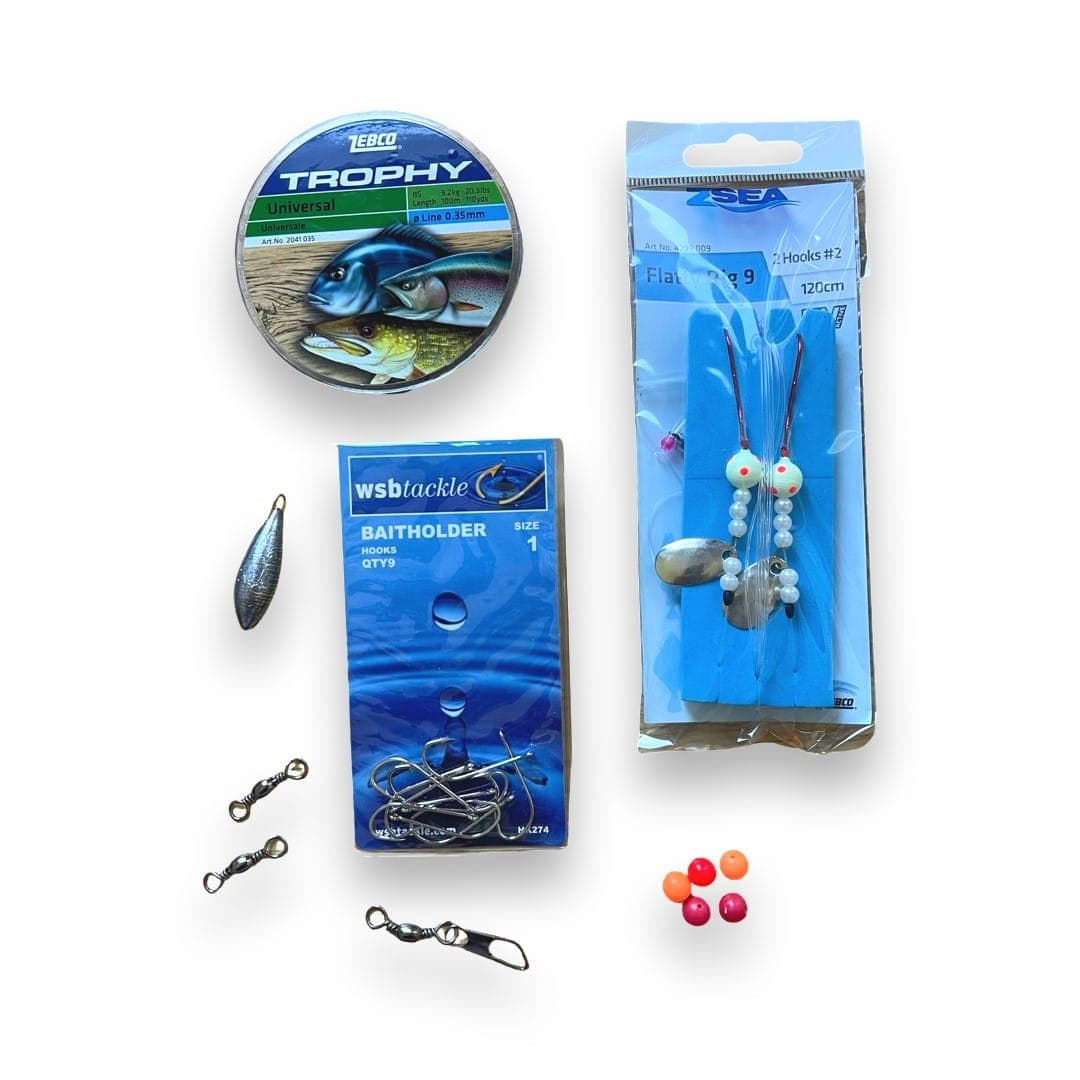
We have created this starter pack which provides all the tackle you need to have a go at bottom fishing.
Zebco UniversalLine
10 x Baitholder Hooks
2 x Swivels
1 x Weight
5 x Beads
Zebco Shore Rig No 9
Click on the fish species above for more information on our recommended bait for your target species
Also called soft crabs, peeler crabs are the crabs that have just lost their shells and they make excellent bait for all types of fish. These crabs will hide while they are waiting for their shells to harden so the best place to find them is under rocks at the low water mark in estuaries such as Falmouth, Helford or the Camel.
Frozen rather than fresh sand eel is better as the scent trail improves with frozen eel. This is readily available in tackle shops.
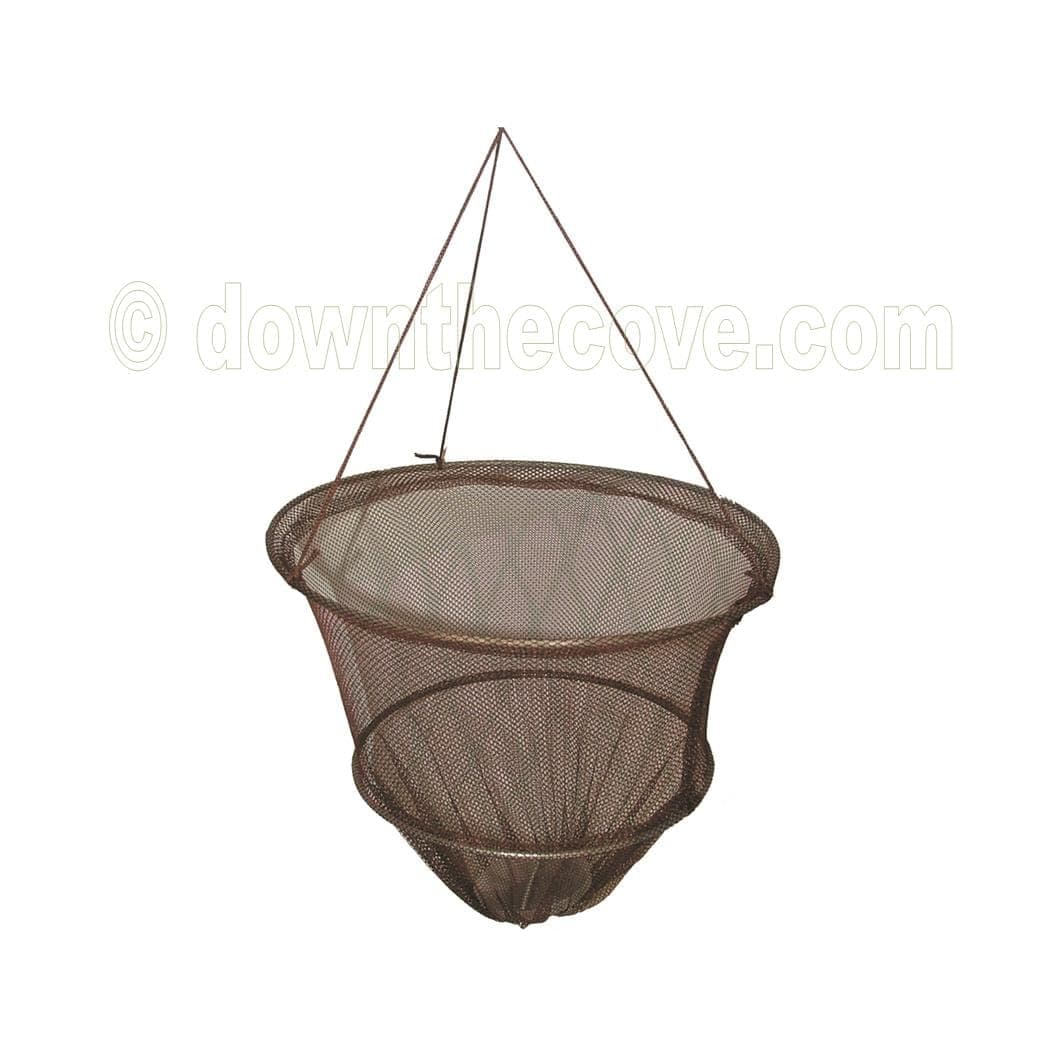
If you are fishing from a harbour or pier try using a drop net to catch some bait. This provides excellent results as the small crab, prawns etc that you catch in the net will be the same food that is attracting the fish to the wall in the first place.
To use a drop net, simply put some bait in the net (this can be, for example, scraps of mackerel). Then lower the net into the water until it is just above the bottom and then wait for 10-15 minutes before bringing it back to the surface.
The most common worms around Cornwall are lugworms although you can also get other varieties including ragworms. You can dig for worms at any time of the year. At low tide look on the sand for signs of worms as shown below and then dig between the squiggles and the hole and you will find the worm.
Please do take note of any signs before you dig for bait as not all places allow digging.
Friendly tackle picks chosen to make the guide easier to put into practice.